The tension in the Mercedes garage was thick enough to cut with a knife, but as Kimi Antonelli crossed the finish line at the Autódromo Hermanos Rodríguez, the pressure evaporated into pure euphoria at the Mexico City Grand Prix. The twenty-year-old Italian rewrote the Formula 1 history books to become the youngest World Drivers' Champion the sport had ever seen. On the nose of his silver car, the number 12 gleamed under the stadium lights—the very number he chose as a tribute to his racing idol, Ayrton Senna, who famously raced and won his first World Championship with it. The parallels to Senna's legendary 1988 season were impossible to ignore. Just as the great Brazilian had to battle his formidable teammate Alain Prost within the same garage to claim his maiden crown, Antonelli had to withstand the immense internal pressure of racing alongside George Russell. Senna’s triumph that year had been a passing of the torch, a masterclass of raw speed and determination that redefined the limits of what a driver could do in a competitive car. By channelling that exact spirit, Antonelli brought the iconic number 12 back to the ultimate peak of motorsport, mirroring the fierce, uncompromising brilliance of his idol. I wrote about their similarities extensively in the following blog post:
What made the achievement truly mind-boggling was the sheer scale of his dominance. By wrapping up the title with four full races left on the calendar, Antonelli catapulted himself into an elite club of racing royalty. He matched the legendary feats of Sebastian Vettel in 2011, Max Verstappen in 2022 and Michael Schumacher, who also sealed championships with four rounds to spare in 2001 and 2004. Only Nigel Mansell, with five races remaining in 1992, and the absolute record-holders Schumacher and Verstappen, who both cleared the field with six races left in 2002 and 2023, respectively, had ever managed to close any earlier. Yet, this crowning glory was merely the final piece of a record-shattering journey that began the previous year. Ever since stepping into the cockpit, Antonelli had made a habit of dismantling the sport's most sacred milestones. He had already introduced himself as the youngest driver to lead a Grand Prix lap, set a fastest lap and secure a sprint pole position—all at a staggering 18 years and 225 days old during his debut season, where he also claimed the record for the most points scored by a rookie. Moving into his breathtaking sophomore year, he became the youngest pole sitter in Grand Prix history in China, the youngest driver to win from pole position, the youngest to secure a Grand Slam in Monaco and the youngest ever championship leader. He even rewrote the history books on track action itself, setting an all-time record by executing 26 clinical overtakes in a single Grand Prix on his way to an unforgettable victory at Monza.
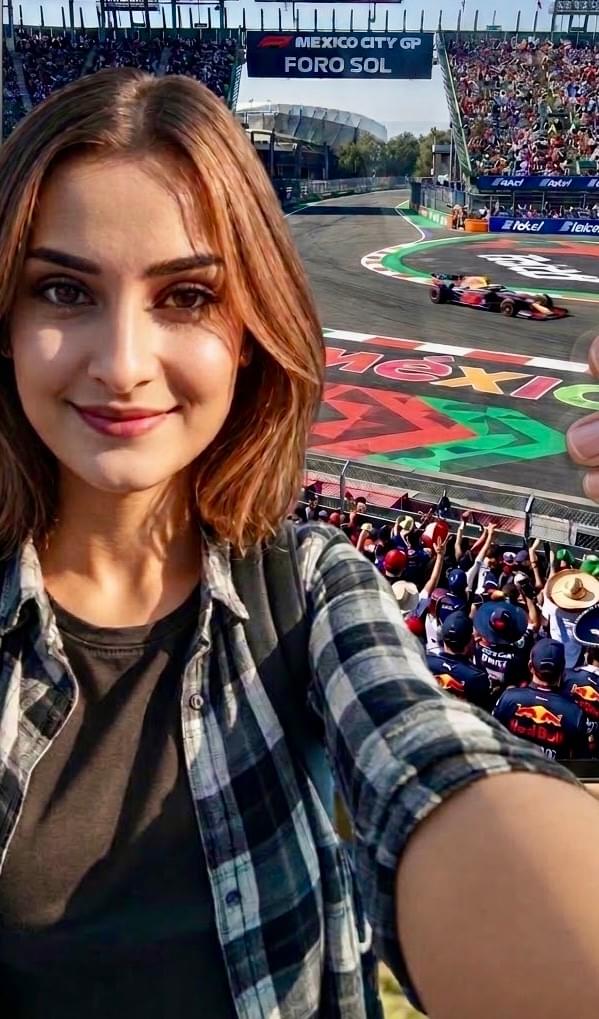
For months, the paddock had buzzed with intense speculation about whether the young prodigy could handle the weight of replacing a legend at Mercedes. The internal rivalry with Russell had been fierce, and Lewis Hamilton’s looming shadow at Ferrari kept the pressure cooker simmering. Yet, under the brilliant Mexican sun, Antonelli drove with the clinical composure of a veteran twice his age, managing his tyres through the thin altitude and resisting a late-race charge from his rivals to deliver a masterclass when it mattered most. When the team radio crackled to life, the usually serene teenager finally let the emotion flood through. His ecstatic shouts echoed the relief and joy of a garage that had worked tirelessly to return to the absolute pinnacle of motorsport. Antonelli joins the giants of the sport—and the legacy of Senna himself—whilst sealing an astonishing, record-breaking rise.
Record-Breaking Rise by EJ for EJblogtv
an Enjoyment Journal about Everything EJ
xoxo