There is a moment, usually around mid-afternoon in the Cape Winelands, when the rest of the world simply ceases to matter. You are sitting under an ancient oak tree that has stood for three centuries, a light breeze is blowing off a jagged mountain range and you are swirling a liquid that is the exact colour of a crushed ruby. In that single, unhurried pocket of time, you realise that an epicurean journey here isn't about snobbery or memorising arbitrary tasting notes; it is about paying attention. It is about understanding the profound patience required to turn sun, soil and rain into something truly phenomenal.
Cape Town and its surrounding valleys represent one of the most unique growing regions on earth. Here, the maritime winds of the Atlantic Ocean sweep across the vineyards, cooling the grapes during the intense African summer and giving the wines a distinct, crisp complexity. The landscape transitions dramatically from the historic, green valleys of Constantia, sitting right in the shadow of the mountain, to the sweeping, sun-drenched amphitheatres of Stellenbosch and Franschhoek. To explore the epicurean landscape of the Cape is to participate in a slow, centuries-old ritual of mindfulness. It is a celebration of agricultural heritage, culinary innovation and a deeply rooted farm-to-fork philosophy that honours the earth. If you are ready to trade the rush of daily life for a slower sip and a deeper appreciation of the symphony of soil, here are eight exceptional epicurean estates that define the culinary and viticultural soul of the Cape.
1. Groot Constantia
Stepping onto the historic grounds of Groot Constantia is like walking directly into the opening pages of South African wine history. Founded in 1685, it is the oldest wine-producing estate in the country, instantly recognisable by its magnificent, white-walled Cape Dutch manor house and ancient avenues of oaks. Walking through the historic cellars, you are tracking the legacy of the famous Grand Constance, a legendary sweet wine favoured by 18th-century European emperors and nobility alike. Enjoying a robust Pinotage or a crisp Sauvignon Blanc on their shaded lawns feels less like a standard tasting and more like an intimate encounter with the very roots of the valley's winemaking heritage.
2. Babylonstoren
Babylonstoren is a breathtaking, multi-sensory ecosystem that redefines the relationship between land and plate. At the heart of this historic Drakenstein Valley farm is an extraordinary, 8-hectare fruit and vegetable garden inspired by the historic Company's Garden. E very single plant here is edible or medicinal, watered by gravity-fed streams flowing past fruit orchards and organic vegetable beds. An epicurean afternoon here involves wandering through the visual masterpiece of the gardens before settling down to pair their estate Chenin Blanc with vibrant, farm-to-fork culinary platters where every ingredient was harvested from the very soil you are standing on just hours before.
3. Klein Constantia
Tucked into the cool, upper foothills of the Constantiaberg, Klein Constantia is celebrated globally for its pristine microclimate and its role in reviving history. The estate is world-famous for producing the legendary Vin de Constance, a natural sweet wine that achieved mythical status in Europe during the 18th and 19th centuries. The vineyards are heavily influenced by the cool maritime breezes from False Bay, resulting in exceptionally elegant, focused white wines. Tasting their creations while looking out over the emerald valley slopes is an exercise in pure elegance, offering a quiet look into how a specific pocket of mountain soil can capture the imagination of the world.
4. Delaire Graff Estate
Perched high up on the scenic crest of the Helshoogte Pass outside Stellenbosch, Delaire Graff represents a striking marriage of high-end contemporary art, dramatic mountain architecture, and world-class viticulture. The estate offers premier, bold Bordeaux-style red blends and complex Chardonnays that age impeccably. Walking through the property feels like exploring an exclusive open-air museum, as the manicured gardens are peppered with striking, oversized bronze sculptures by legendary South African artists. Sipping wine on their cantilevered deck, with the sheer, jagged walls of the Simonsberg Mountain looming directly ahead, is a visually dramatic experience that elevates wine tasting into high art.
5. Cape Point Vineyards
For an epicurean experience that is entirely dictated by the wild Atlantic Ocean, Cape Point Vineyards offers a unique coastal escape. Situated on the breezy slopes of Noordhoek, this boutique vineyard is completely exposed to the maritime winds, producing award-winning, crisp Sauvignon Blancs with a distinct mineral complexity. The estate embraces a wonderfully relaxed, community-driven lifestyle. Patrons love to pack out their sloping grass lawns for afternoon picnics, kicking off their shoes and opening a chilled bottle of white wine while watching the sun sink directly into the distant Atlantic surf line, turning a wine tasting into a celebration of the coastal landscape.
6. Buitenverwachting
True to its name, which translates from Dutch to "Beyond Expectation", this historic Constantia estate offers a deeply peaceful, unpretentious retreat from the modern world. Buitenverwachting is celebrated for producing exceptional, internationally acclaimed white blends and complex, earthy reds. The estate retains a wonderful, old-world agricultural charm, where historic whitewashed buildings sit beneath massive, spreading oak trees. Sitting on their sweeping green lawns, listening to the wind rustle through the leaves while enjoying a slow, deliberate flight of their classic wines, captures the gentle, restorative heart of the valley's oldest farming community.
7. Beau Constantia
Perched precariously at the very top of Constantia Nek, Beau Constantia is a striking, hyper-modern contrast to its historic neighbours. This boutique vineyard features an ultra-modern, glass-encased tasting room that hovers over incredibly steep, amphitheater-like slopes. The architectural design ensures that you are entirely surrounded by sweeping, bird's-eye views of the valley below and the distant False Bay coastline. Specializing in vibrant, premium red blends and contemporary white varieties, a tasting here feels incredibly fresh and forward-thinking, making it the perfect spot for anyone looking to experience the modern, architectural edge of Cape viticulture.
8. Spier Wine Farm
Spier is a historic, family-friendly wine farm that has been operating since 1692, balancing an incredible respect for heritage with a fierce commitment to modern sustainability. The estate is a pioneer in biodynamic farming and organic winemaking, managing pastures where cattle and chickens actively regenerate the soil. Beyond their exceptional, award-winning Chenin Blancs and Pinotages, Spier is a major patron of the arts, housing one of the largest collections of contemporary African art in the country. Wandering the banks of the Eerste River or picnicking under ancient trees offers a holistic epicurean experience that celebrates art, ecology, and the land.
When the afternoon light turns to gold, the tasting room doors begin to close, and you hit the road back to the city with a couple of cases clinking happily in the boot, a profound sense of contentment takes over. You have participated in the oldest conversation the Cape has to offer, the one between the mountains, the wind, and the glass where the swirl, sip and social etiquette are the local language.
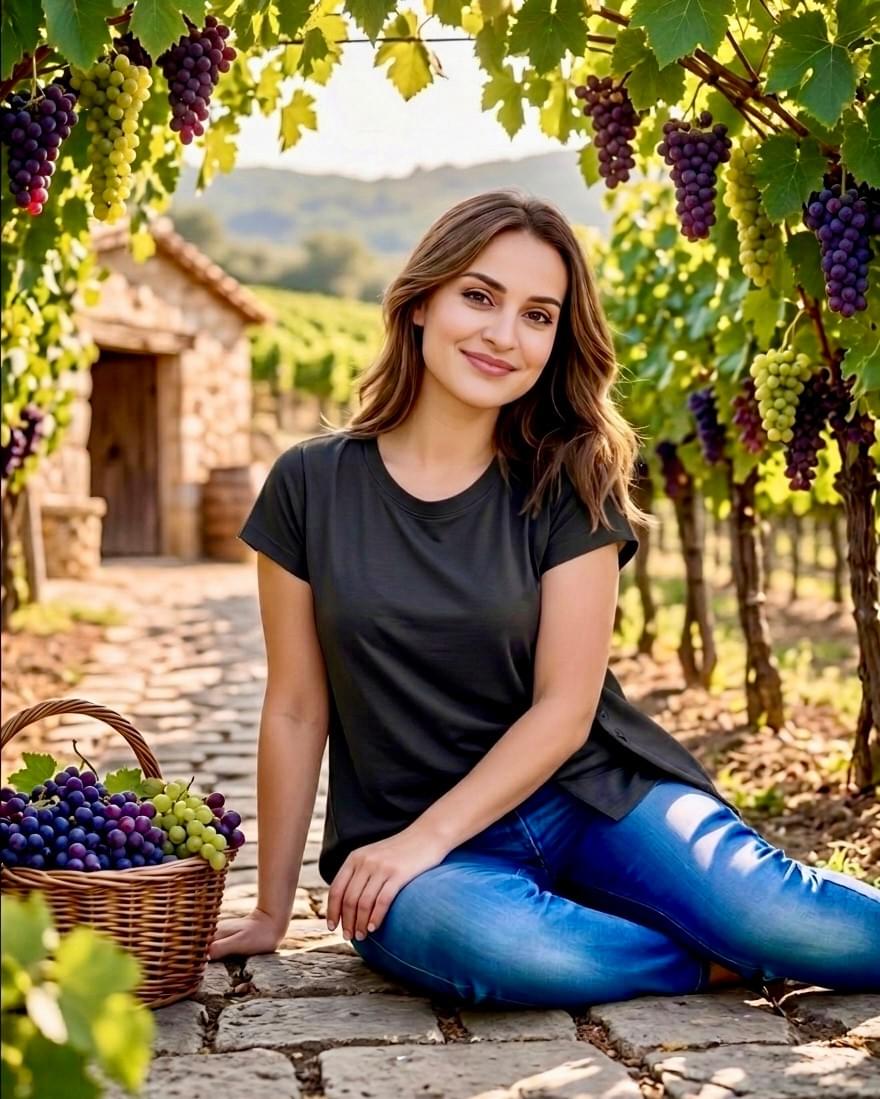
But let’s step away from the glossy brochures for a moment and speak with absolute, unvarnished honesty. Navigating the Cape Winelands is a high-stakes social sport that requires a specific kind of performance art. You will inevitably find yourself standing at a sleek, wooden tasting counter, trapped under the intense gaze of a deeply passionate wine professional. They will pour a splash of amber liquid into your glass and ask, with absolute sincerity, if you can detect the "subtle notes of wet stone, unlit cigar tobacco, and stewed winter plums".
Now, your brain will likely be screaming, "It tastes like fermented grapes and a hint of wood!" but social survival dictates that you must not panic. You must lift the glass, hold it up to the light as if diagnosing a complex medical condition, give it a vigorous swirl that dangerously threatens to splash your white linen shirt, stick your entire nose into the bowl, and take a slow, contemplative sip. Look thoughtfully at the ceiling, nod sagely, and say something entirely non-committal like, "Ah, yes, the minerality really reflects the granite soils, doesn't it?" Congratulations. You are now an official Cape Epicurean.
And let’s not forget the structural comedy of the "Wine Estate Picnic." You will be handed a beautifully packed wicker basket filled with artisanal cheeses, fresh sourdough and jars of preserves that require a master's degree in engineering to open without blasting fig jam all over your face. You will try to look effortlessly glamorous lounging on a picnic blanket, only to realise that a rogue dandelion root is digging directly into your lower back, a persistent Cape bumblebee has decided your Sauvignon Blanc is its personal swimming pool, and your wine glass keeps listing at a terrifying forty-five-degree angle on the uneven grass.
It is unique, slightly absurd and it is the absolute best way to spend a Saturday. The vineyards of the Cape are far more than commercial farms; they are spaces built for intentional slowing down. They remind us that the finest things in life cannot be rushed, automated, or scrolled through. They require time, soil, and a willing spirit.
So, put down the schedule, ignore the spreadsheet for a day, grab a glass and let the historic valleys of the Cape teach you how to set a slower, sweeter stance for your life one sip at a time.
Exceptional 8: Epicurean Edition by EJ for EJblogtv
an Enjoyment Journal about Everything EJ
xoxo